
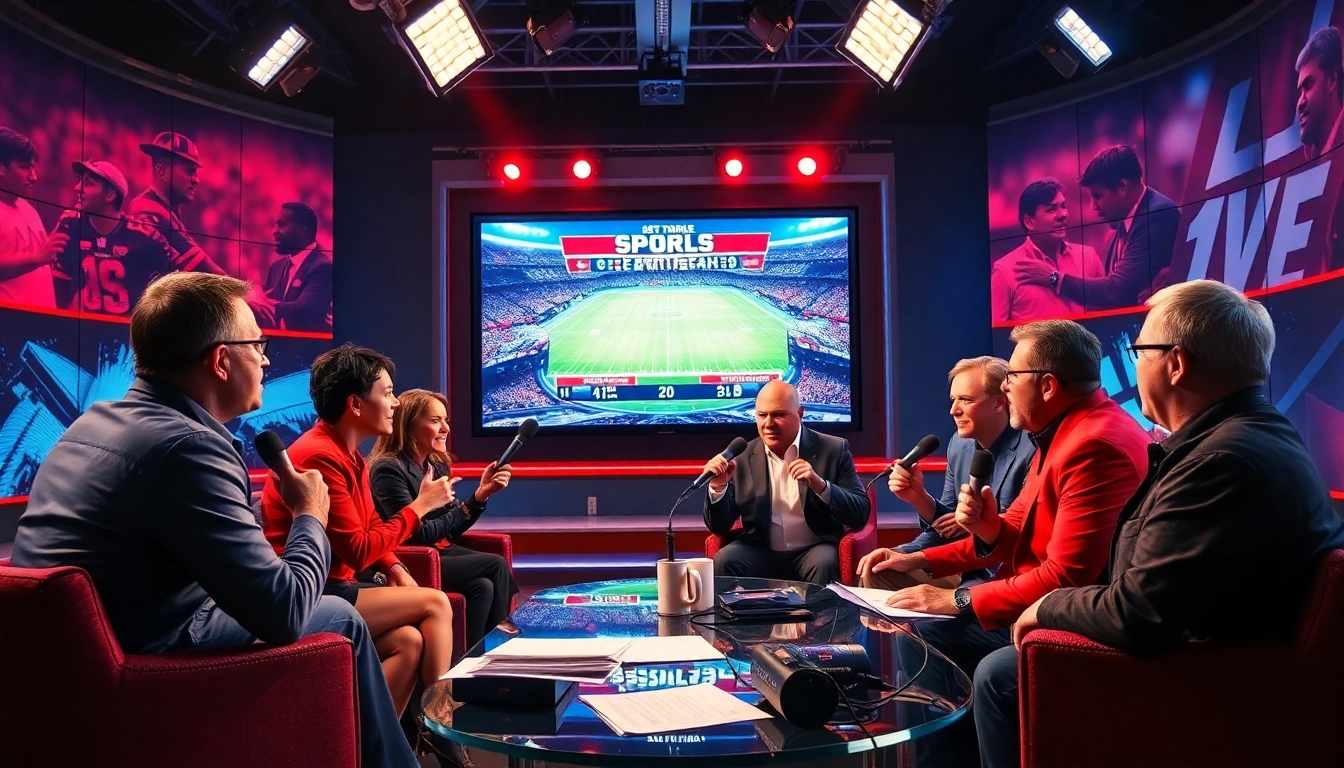
Understanding the Foundation of Sports Broadcasting
What is Sports Broadcasting?
Sports Broadcasting refers to the distribution of sports content via television, radio, or digital platforms. The intent is to deliver live events, highlights, analysis, and insights to audiences on a local, national, or global scale. This field encompasses a variety of formats, including traditional broadcasting, online streaming, and interactive platforms. Given its evolving nature, Sports Broadcasting plays a crucial role in connecting fans with their favorite teams and athletes, facilitating deeper engagement and interaction.
History and Evolution of Sports Broadcasting
The roots of Sports Broadcasting can be traced back to the early 20th century. The first live radio broadcast of a sports event occurred in 1921 when the Columbia Broadcasting System (CBS) aired a boxing match. This innovation laid the groundwork for subsequent developments, including televised broadcasts in the 1940s and 1950s. Over the decades, advancements in technology have fueled the growth of Sports Broadcasting, leading to the emergence of cable networks, satellite channels, and now, streaming services that redefine accessibility and audience reach.
As technology progressed, so did the sophistication of the broadcasts. The introduction of high-definition (HD) and ultra-high-definition (4K) formats further enhanced viewer experience, providing crisper, clearer visuals. Additionally, the involvement of social media platforms has transformed how fans consume sports content, encouraging real-time interaction and engagement, ultimately making the experience more immersive.
The Impact of Technology on Sports Broadcasting
Technology has revolutionized Sports Broadcasting in multiple dimensions. From live satellite feeds that enable instant broadcasting across continents to advanced graphics and analytics that enrich viewer understanding, the integration of innovation is evident. Technologies like augmented reality (AR) and virtual reality (VR) are pushing boundaries, creating immersive experiences that allow fans to feel part of the action, regardless of their physical location.
Moreover, artificial intelligence (AI) is becoming an integral part of content production by aiding in real-time data analysis, thus enhancing commentary and viewer insights. This technology-driven approach not only improves the broadcast quality but also enables networks to personalize content according to audience preferences, enhancing viewer loyalty and engagement.
Essential Components of Sports Broadcasting
Roles within a Sports Broadcasting Team
A successful Sports Broadcasting team comprises various specialized roles that work collaboratively to deliver compelling content. Key positions include:
- Play-by-Play Announcer: The voice that narrates the live action, providing real-time commentary and context.
- Color Analyst: Adds depth to the broadcast with expert analysis and insights about plays and strategies.
- Production Crew: Responsible for the technical aspects, managing cameras, sound, and visual feeds.
- Research Team: Prepares statistics and background information to support the on-air talent.
- Social Media Managers: Engage audiences on digital platforms, enhancing interaction and presence.
Critical Equipment Used in Sports Broadcasting
The equipment utilized in Sports Broadcasting has evolved dramatically, playing a crucial role in delivering high-quality content. Key equipment includes:
- Broadcast Cameras: High-definition cameras capture live footage from multiple angles, ensuring comprehensive coverage.
- Audio Equipment: Microphones and mixing consoles enhance sound quality, ensuring clarity in commentary and crowd noises.
- Graphics Systems: Tools for creating on-screen graphics that provide statistics, player information, and real-time updates.
- Streaming Software: Platforms and software for live streaming or broadcasting over the internet, essential for digital content delivery.
Types of Sports Broadcasting: Live vs. Recorded
Sports Broadcasting can primarily be categorized into two types: live and recorded. Live broadcasting captures events as they unfold, providing a real-time connection between the event and the audience. This format is particularly engaging for fans, as it facilitates a shared experience of excitement and passion.
On the other hand, recorded broadcasts allow for editing and the inclusion of additional features, such as highlight reels, player interviews, and expert commentary. While they may lack the immediacy of live broadcasts, recorded content can be more polished and informative, appealing to audiences who seek an in-depth analysis of past events.
Best Practices for Effective Sports Broadcasting
Pre-Game Preparation and Research
In Sports Broadcasting, thorough preparation is crucial for delivering engaging and informative content. This involves extensive research on teams, players, statistics, and recent performances. Broadcasters should cultivate a deep understanding of the sport and its nuances, allowing them to communicate insightful analysis that resonates with viewers.
Building relationships with coaches, players, and analysts can facilitate access to exclusive insights that can enhance commentary. Organizing pre-game meetings to discuss strategies and key talking points ensures that all team members are aligned and ready to provide a seamless broadcast experience.
Enhancing Viewer Engagement Strategies
To capture and retain audience interest, broadcasters should implement effective viewer engagement strategies. Integrating social media interactions, conducting viewer polls, and encouraging audience questions can create a more interactive viewing experience. Utilizing elements like on-screen graphics, viewer tweets, and live updates enhances the experience and fosters community around the broadcast.
Additionally, fostering narratives around players and teams can stimulate emotional connections with viewers, turning casual observers into loyal fans. Incorporating storytelling elements into broadcasts can elevate the viewing experience, making it more informative and entertaining.
Maintaining Professionalism On-Air
Professionalism is paramount in Sports Broadcasting. This encompasses a commitment to accuracy, integrity in reporting, and respectful communication. Broadcasters must be mindful of their language and tone, ensuring that it aligns with the expectations of the audience and the values of the sports community.
Staying composed during high-pressure moments is essential. Practicing effective communication skills, including clear articulation and active listening, fosters a professional image that instills audience trust. Ongoing training and feedback can help broadcasters refine their on-air presence and develop their unique style.
Challenges in Modern Sports Broadcasting
Dealing with Technical Difficulties
Technical difficulties are an inevitable challenge in Sports Broadcasting. From equipment malfunctions to connectivity issues, unforeseen problems can disrupt live broadcasts. To mitigate these challenges, broadcasters should conduct thorough pre-event checks, including sound and visual tests, and have contingency plans in place for quick fixes.
Investing in reliable technology and ensuring that the production crew is well-trained to handle emergencies can minimize the impact of these disruptions. Additionally, maintaining open communication with viewers during technical difficulties can help manage expectations and maintain audience engagement.
Adapting to Changes in Audience Preferences
The landscape of audience preferences is constantly evolving, driven by technology and demographics. Understanding viewer habits, such as the preference for shorter content formats or interactive experiences, is essential for broadcasters aiming to remain relevant. Conducting regular audience surveys and analytics can provide valuable insights into preferences and trends.
Broadcasters should be agile and willing to experiment with new formats, including highlight reels, interactive content, and behind-the-scenes access, to cater to shifting audience tastes. Collaborating with platform partners can widen the distribution scope and enhance outreach.
Competition in the Sports Broadcasting Space
As the market for Sports Broadcasting becomes increasingly competitive, networks must differentiate themselves to attract and retain audiences. This competition has intensified with the rise of digital platforms and streaming services, which offer diverse content to viewers. To stay ahead, broadcasters should innovate continuously, experimenting with unique content strategies and collaboration efforts.
Creating partnerships with emerging platforms or leveraging multi-channel strategies can expand viewer access and enhance brand visibility. Embracing new storytelling techniques and enhancing production quality will also play a significant role in establishing a competitive edge.
Future Trends and Innovations in Sports Broadcasting
Integration of AR and VR Technologies
Augmented Reality (AR) and Virtual Reality (VR) are set to transform the realm of Sports Broadcasting. These technologies offer immersive experiences that can transport viewers directly to the heart of the action. For instance, AR can enhance broadcasts with real-time statistics overlay, giving viewers deeper insights into player performances during live events.
VR technology enables fans to experience games from the player’s perspective, offering a unique viewpoint that traditional broadcasts cannot provide. As these technologies become more accessible and cost-effective, their integration into Sports Broadcasting will likely increase, creating richer and more engaging viewer experiences.
The Rise of Streaming Platforms in Sports Broadcasting
Streaming platforms have revolutionized the way audiences consume sports content. With the rise of on-demand viewing and the ability to tailor content to personal preferences, traditional broadcast networks are challenged to adapt. Content providers are increasingly focusing on leveraging their online presence to engage viewers, offering interactive features, exclusive interviews, and comprehensive highlights.
These platforms provide opportunities for innovative broadcasting styles, such as multi-angle viewing and personalized commentary, which align with modern viewer preferences. As the competition for viewership intensifies, engaging content and strategic partnerships will be crucial for success in this digitally dominated landscape.
Predicting the Future of Sports Broadcasting
As we look ahead, it’s clear that Sports Broadcasting will continue to evolve rapidly, driven by technological advancements and shifting consumer behaviors. Broadcasters must remain agile, adapting to new platforms and trends while understanding their audience’s desires. Data analytics will play a crucial role, enabling broadcasters to tailor content based on viewer preferences and increase engagement effectively.
Moreover, maintaining an ethical and responsible approach to broadcasting will be critical, especially in ensuring fair representation and accuracy in reporting. As digital platforms gain prominence, the emphasis on inclusive coverage and diverse storytelling will likely define the future direction of Sports Broadcasting.
Frequently Asked Questions
What is the primary role of a play-by-play announcer?
The play-by-play announcer narrates live action in sports broadcasts, providing real-time commentary and context to enhance viewer understanding of events.
How has technology changed sports broadcasts?
Technology has enhanced sports broadcasts through high-definition visuals, graphics, and interactive features, improving audience engagement and analysis.'
What are the different types of sports broadcasts?
Sports broadcasts can be categorized into live and recorded formats, with live providing immediacy and recorded offering a chance for a polished review with analysis.
What is a common challenge in sports broadcasting?
Technical difficulties, such as equipment malfunctions and connectivity issues, are common challenges faced by sports broadcasters during live events.
What future trends will affect sports broadcasting?
Future trends impacting sports broadcasting include the rise of streaming platforms, integration of AR and VR technologies, and increasing data analytics for content customization.